

The second day of the Founders’ Week celebration at Salem University was marked by impactful teachings, transformational leadership insights, and thought-provoking discussions centered on the theme, “Leaders of Influence.” The day featured three distinguished speakers: Bishop John Ibenu, Dr. Alfred Oladapo and Apostle Ele Adejoh, each of whom delivered profound messages on leadership, character, management, and personal development.

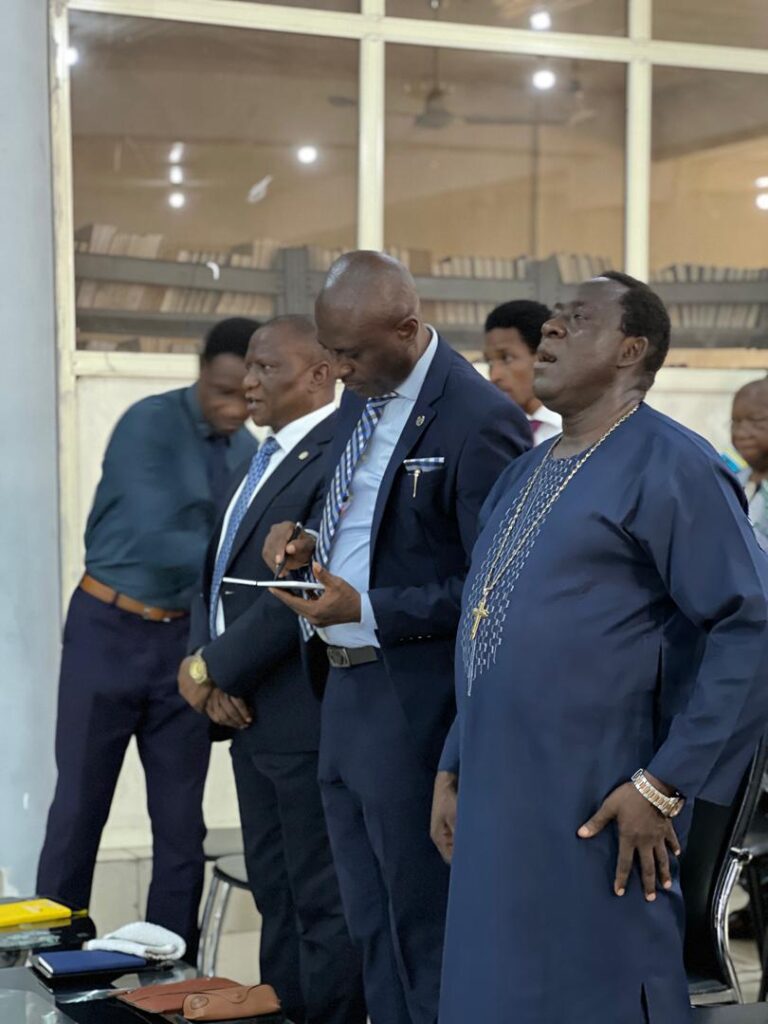


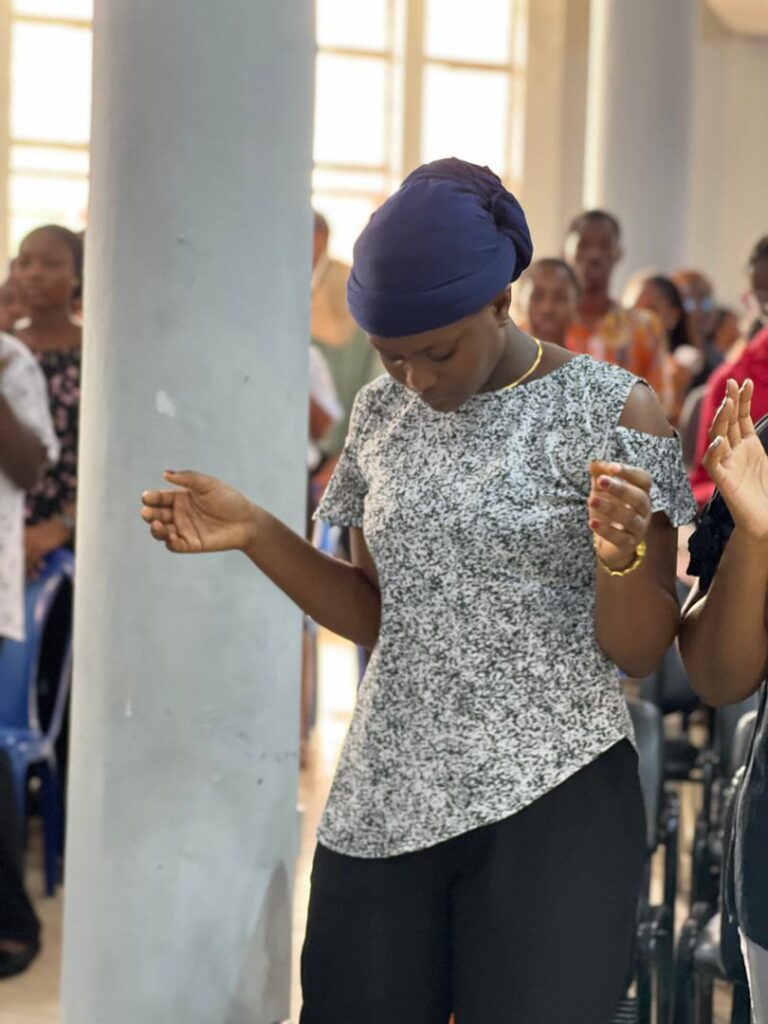
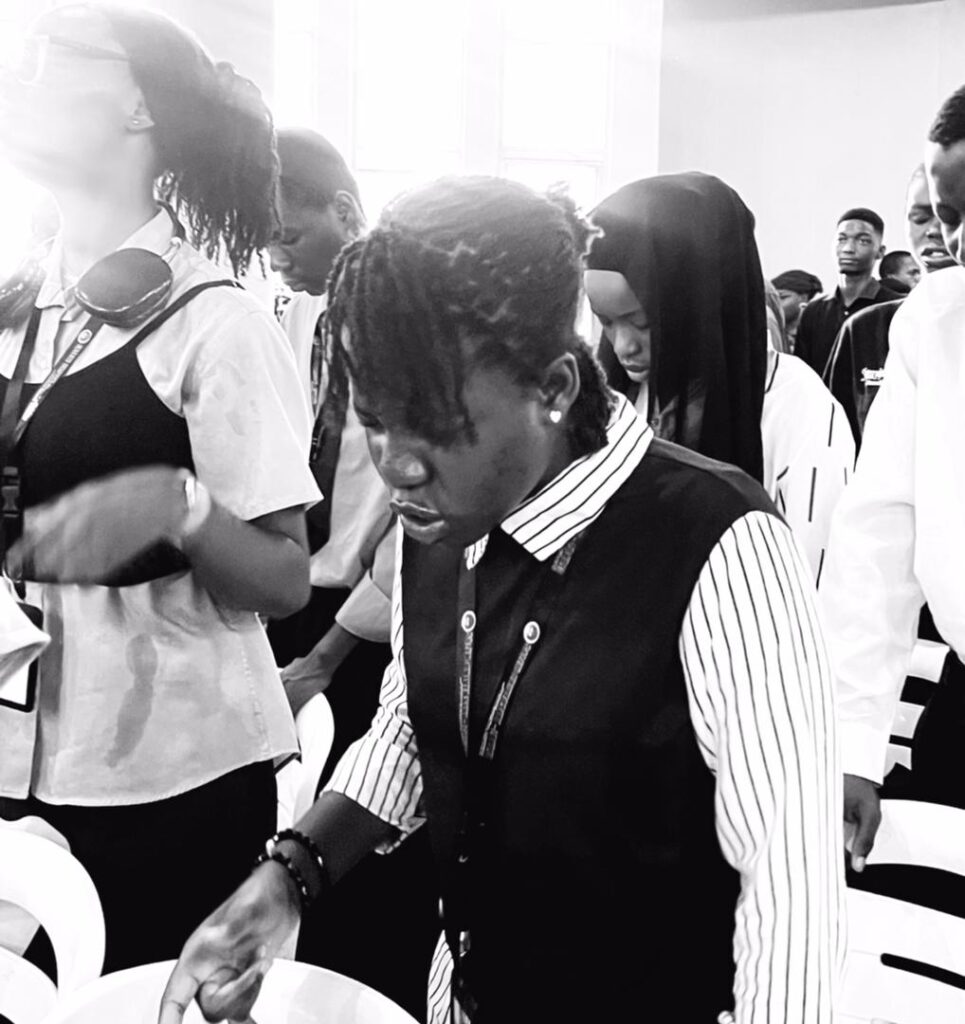
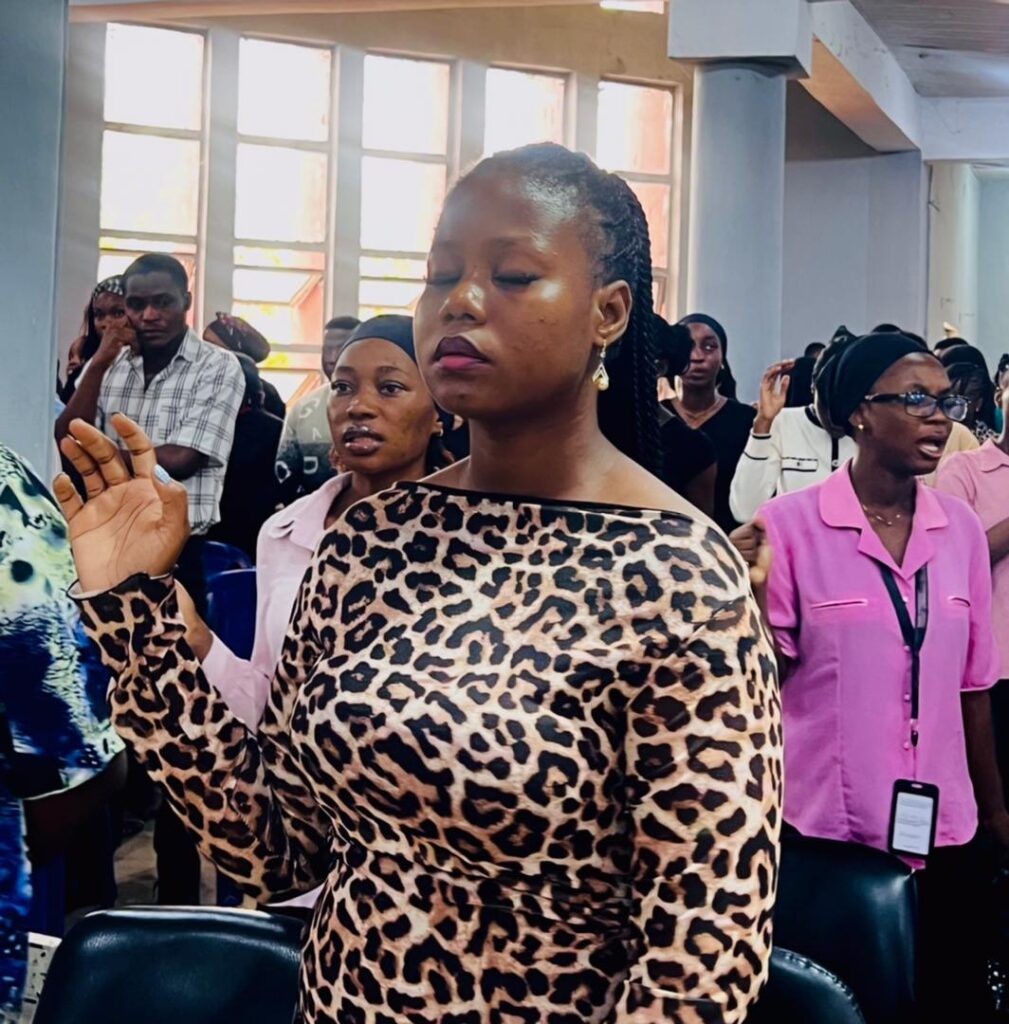

Bishop John Ibenu, speaking on the subject of leadership and influence, emphasized that while many people may occupy leadership positions, not everyone truly leads effectively. According to him, “All men can lead, but not all men can lead well.” He explained that leadership is beyond title or position and requires training, discipline, and intentional development.
He distinguished between capacity and capability, explaining that capacity is largely academic-based while capability is practical-based and proven through real-life application and results. He stressed that real leaders are trained and developed over time, noting that meaningful achievement cannot occur without proper training and preparation.
Bishop Ibenu further highlighted the importance of people management in leadership. He stated that any leader who desires success must focus on the welfare of the people under their care. According to him, effective leadership involves:
Managing the people available,
Managing available materials,
Managing available finances.
He made the profound statement that:
“Your greatest asset is men, and your greatest problem is also men.”
He explained that because people can either build or destroy systems, leaders must learn the art of management and human development. He encouraged leaders to intentionally train people according to expected standards and outcomes, emphasizing that human beings can be developed to deliver effectively when guided properly.
The Bishop also spoke extensively on delegation and supervision, stating that leaders must learn to delegate responsibilities properly while maintaining effective supervision to minimize waste and inefficiency. He added that greatness begins with managing little resources effectively before greater responsibilities are entrusted.
On the subject of vision, Bishop Ibenu described vision as an instrument of mobilization. According to him, when vision is not clearly communicated, confusion and unnecessary questions arise. He emphasized that clarity in leadership minimizes conflict and creates unity of purpose among followers. He further noted that when people have something meaningful to pursue collectively, opposition and distractions become limited.
After his session, the second speaker, Apostle Ele Adejoh focused primarily on character, self-discipline, and spiritual maturity as foundations for leadership. He stated that:
“If you are not yet made, you cannot lead godly, and if you are not yet made, men will reject you.”
He explained that while talents, gifts, skills, and anointing may attract people and create opportunities, it is character that sustains influence and leadership.
According to him:
“Talents, anointing, gifts, and skills attract and gather, but character keeps them.”
Apostle Ele described character as the total expression of a person’s personality and values. He emphasized that true leadership is not forced but willingly accepted by followers who recognize value, discipline, and integrity in a leader. According to him, people naturally submit to leadership when they perceive qualities and strengths they admire and aspire toward.
He strongly stated that:
“Character failure is leadership failure.”
The Apostle further explained that while gifts and talents may provide the ability to lead, character is what grants authority and credibility in leadership. Using the life of David as an example, he noted that David’s strength of character attracted mighty men to him, while weaknesses in character later created challenges within his household and leadership structure. However, he also highlighted David’s humility and repentance before God as evidence of strong spiritual character.
Apostle Ele encouraged participants to embrace self-led leadership through self-discipline, noting that disciplined people naturally inspire others to follow them. He concluded by warning that individuals who do not know what they believe or stand for will eventually compromise under pressure.
Dr. Alfred Oladapo came up afterwards and continued his teaching on influential leadership, emphasizing resilience, empathy, self-awareness, and discipline. He reminded participants that leaders of influence are not individuals without mistakes, but people who know how to respond positively to their mistakes and grow from them.
According to him, one major characteristic of influential leaders is the ability to endure hardship and discomfort. He stated that:
“Some things you deny yourself of today will become your stepping stone tomorrow.”
He further warned against compromise, stressing that:
“Character will take you far in life, but compromise will cut short your journey.”
Dr. Oladapo also described leaders of influence as people of empathy who genuinely understand and care about others. He highlighted three important principles for effective leadership:
Setting the right priorities,
Being a person of empathy,
Learning to be oneself authentically.
He emphasized that authenticity is a personal responsibility and that leaders must develop confidence in their unique identity and purpose.
During the session, he also introduced the concept of ATS (Applicants Tracking System) while discussing growth, positioning, and preparation for opportunities in leadership and career development.
In one of the most striking moments of his lecture, he stated:
“If a man is looking for what he has never seen, he should do what he has never done.”
He explained that growth and transformation require stepping beyond comfort zones, adding that the best potentials in people rarely emerge in comfortable environments. According to him:
“The best of you will not come out in a comfortable atmosphere.”
He concluded by reminding participants that no one can give what they do not possess internally, stressing the importance of continuous personal development, character building, and intentional growth.
The Day 2 sessions ended with participants deeply inspired and challenged to become leaders of influence, integrity, empathy, discipline, and transformational impact. The teachings collectively reinforced the importance of character, vision, management, resilience, and self-development in building sustainable and impactful leadership.